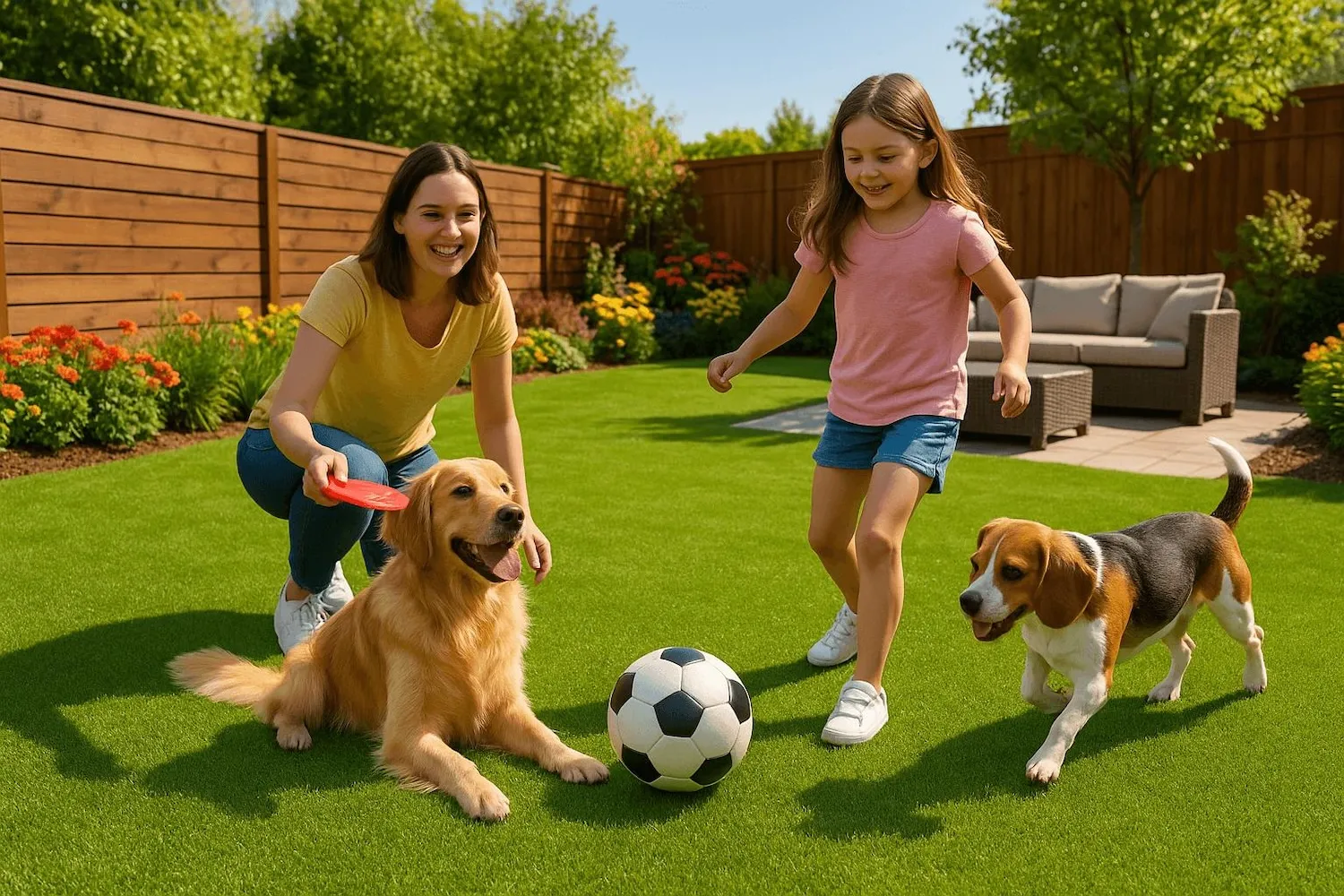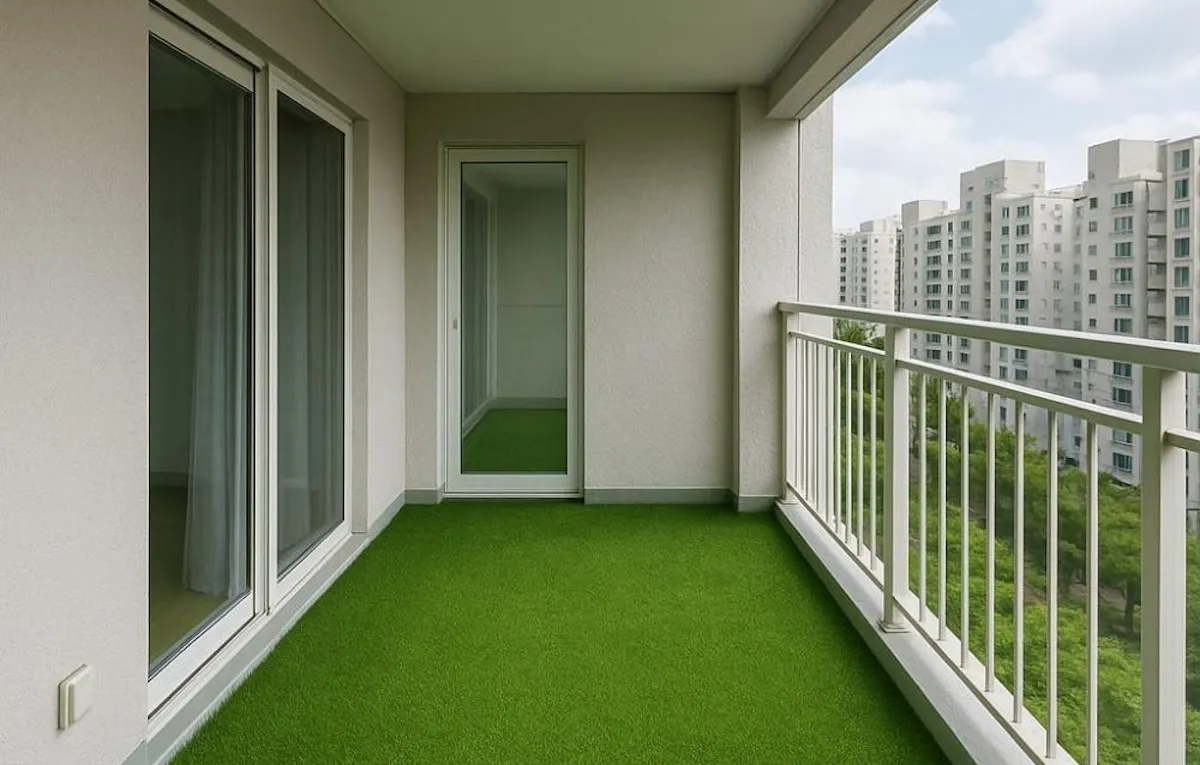
Artificial grass on a concrete patio, balcony, or walkway looks the same as turf on soil — but it feels completely different underfoot unless the right layer goes between the slab and the grass. That layer, the turf underlayment, can improve cushioning, stability, and drainage over a hard slab.
Can You Install Artificial Turf Directly on Concrete?
When Direct Installation Can Work
You can sometimes install artificial grass directly over concrete or paving without a separate pad. The slab should be stable, reasonably smooth, and free of problem areas that could show through the finished turf.
Drainage also matters. Repair or level problem areas as appropriate without blocking the intended drainage path. A covered, low-traffic decorative area is one of the situations where direct installation may be suitable.
When You Need Underlay, Padding, or Drainage
An additional layer becomes useful when the project needs more comfort, impact absorption, surface protection, or lateral drainage.
For wet or outdoor areas, drainage should be assessed before the underlay is selected; the detailed drainage checks are covered below.
3 Types of Underlay for Artificial Turf on Concrete
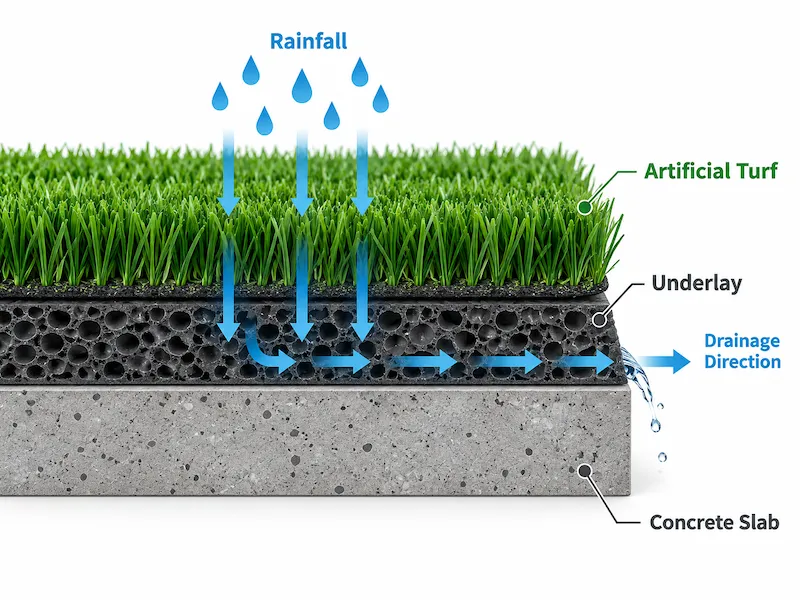
Three main underlay systems cover most concrete turf applications: foam cushioning, sports shock pads, and drainage mats. The right option depends on whether the main requirement is comfort, impact performance, drainage, or a combination of these functions.
Foam Underlay for Comfort and Light Cushioning
Foam underlay can add comfort and shock absorption over a hard concrete surface, but the required material and thickness depend strongly on the application.
For playgrounds, do not select padding by thickness alone. The turf, padding, and supporting surface should be treated as a complete surfacing system and selected according to the impact-performance requirements of the project.
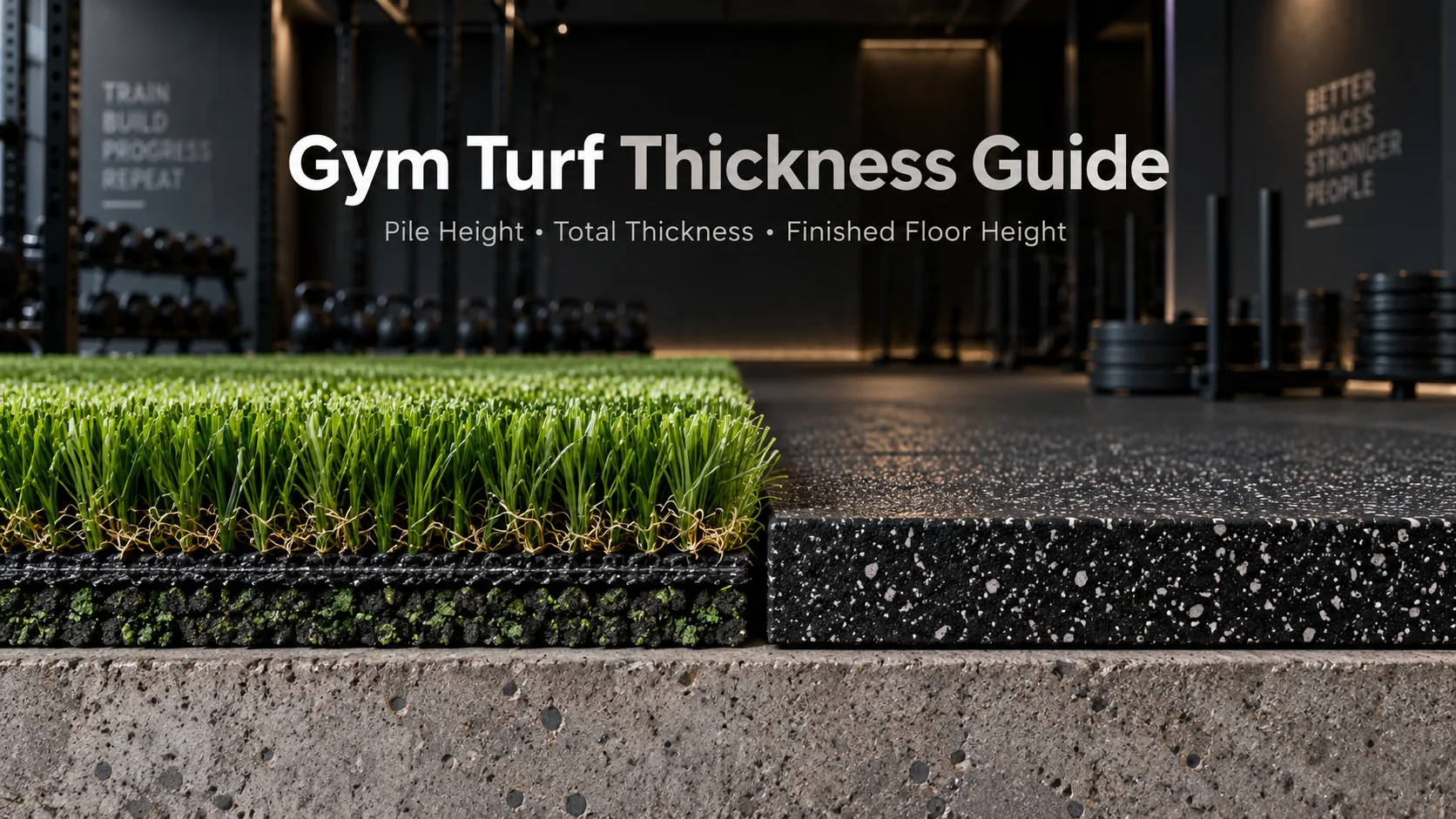
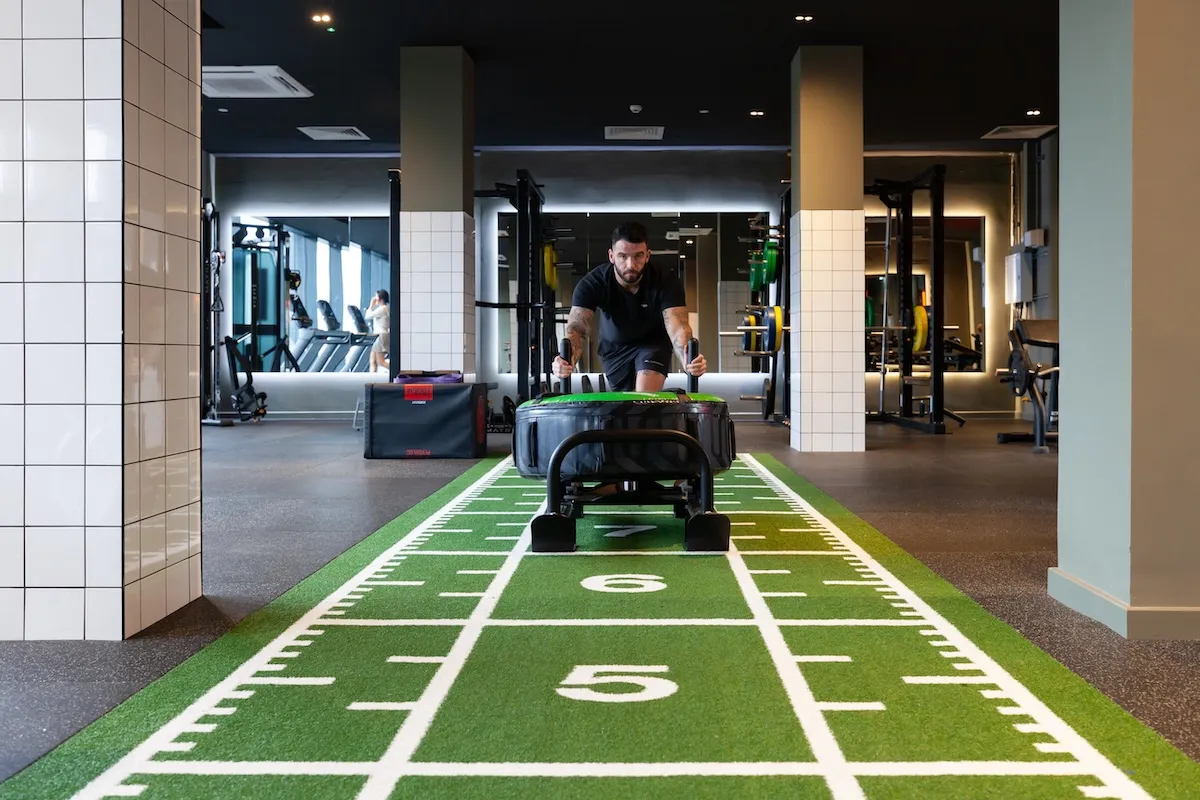
For indoor fitness applications, some turf products integrate the cushion into the product itself. Grace Grass PU foam padded gym turf, for example, is available with a 5–10 mm foam backing for additional comfort, shock absorption, and stability over hard floors.
Rubber and Sports Shock Pads for Impact Absorption
Rubber and engineered sports shock pads are used where impact absorption, surface response, and long-term stability matter more than simple walking comfort.
For football and other sports projects, the pad should be selected as part of the complete turf system rather than as an isolated layer. For playground applications, the complete installed system should meet the applicable impact-attenuation or critical-fall-height requirements for the project.
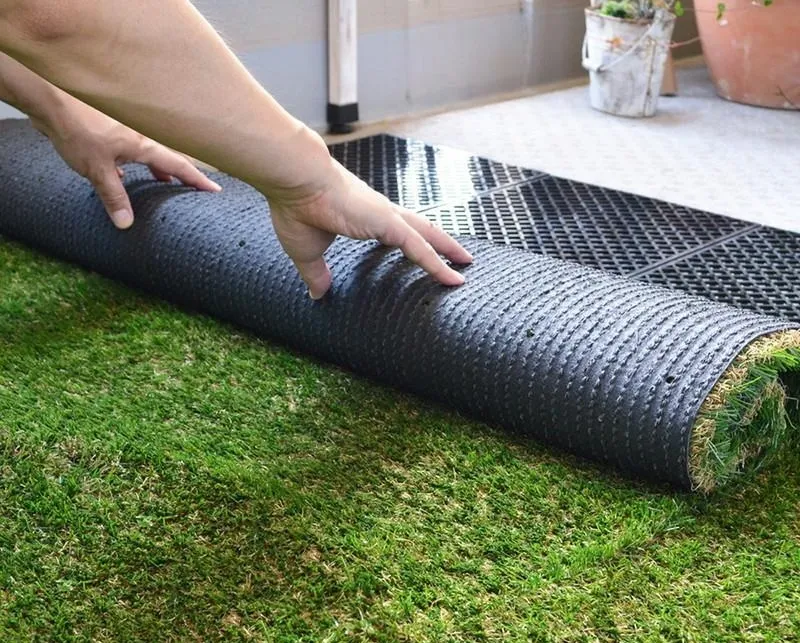
Drainage Mats for Patios, Balconies, and Pet Areas
A concrete slab cannot absorb water vertically in the way a permeable aggregate base can. Where water needs to travel laterally toward a drain or open edge, a drainage mat can create space beneath the turf for that movement.
This can be particularly useful on balconies, rooftops, patios, pet areas, and other hard surfaces exposed to rain, washing, or urine. A drainage mat, however, still needs a suitable outlet. It cannot solve standing water caused by a slab that slopes toward a closed low point.
How to Choose the Right Underlay for Concrete
There is no single best padding for artificial turf on concrete. The right choice balances cushioning against how the space will be used, so define the use first, then compare materials.
Choose by Use: Pets, Play Areas, Patios, and Gyms
| Application | Main Priority | Typical Starting Point |
|---|---|---|
| Pet runs and dog areas | Drainage and odor control | Drainage-capable layer with a clear water/urine exit path |
| Play areas | Impact attenuation and safety | Tested shock-absorbing surfacing system |
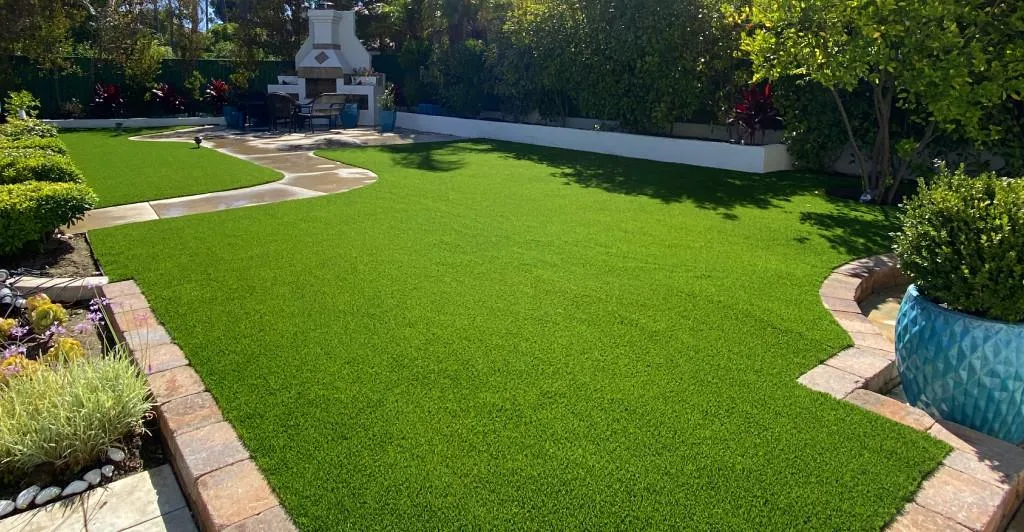
| Dining areas and light-traffic patios | Comfort with a low profile | Slim closed-cell or EVA foam |
| Home gyms and sports areas | Shock absorption and stability | Application-specific shock pad or foam-backed turf |
For pet areas, drainage-friendly padding can help reduce the risk of urine and water pooling below the surface, but the concrete still needs a clear drainage path. Play areas require impact performance to be considered as part of the complete surfacing system, while patios and light-traffic areas may only need a slimmer comfort layer.
How Much Padding Do You Need?
There is no universal thickness or density that makes an underlay suitable for every concrete installation.
A thicker pad may provide more cushioning, but thickness alone does not tell you how the material will perform under repeated loading. Density, compression resistance, drainage structure, recovery, expected traffic, and the turf system above it all matter.
For landscaping, the goal may simply be to soften the feel of the slab and maintain a smooth surface. Sports and playground applications require performance to be evaluated against the demands of the complete system rather than choosing the thickest available pad.
Drainage Pad vs. Solid Foam: Which Is Better?
Start with the exposure conditions.
For an outdoor slab, pet area, or frequently washed surface, drainage usually deserves priority. The system needs to let moisture pass through the turf and then move toward a drain or edge.
For covered indoor applications where water exposure is minimal, cushioning and stability may matter more than open drainage. Solid or closed-cell padding can therefore be appropriate, provided it is compatible with the turf and installation method.
Neither type should be assumed to stay in place automatically. Correct joint treatment and fixing are important because movement in the padding can eventually become visible through the turf above.
How to Install Turf Underlayment on Concrete
Prepare and Check the Concrete Base
Start with the existing slab clean and free of loose debris, and patch cracks or spalled areas. The padding can only perform on a stable base, so check for undulations. Pay special attention to drainage: find the low spots where water pools, because liquid sitting beneath the grass leads to mold and odor later.
Lay, Join, and Secure the Underlay
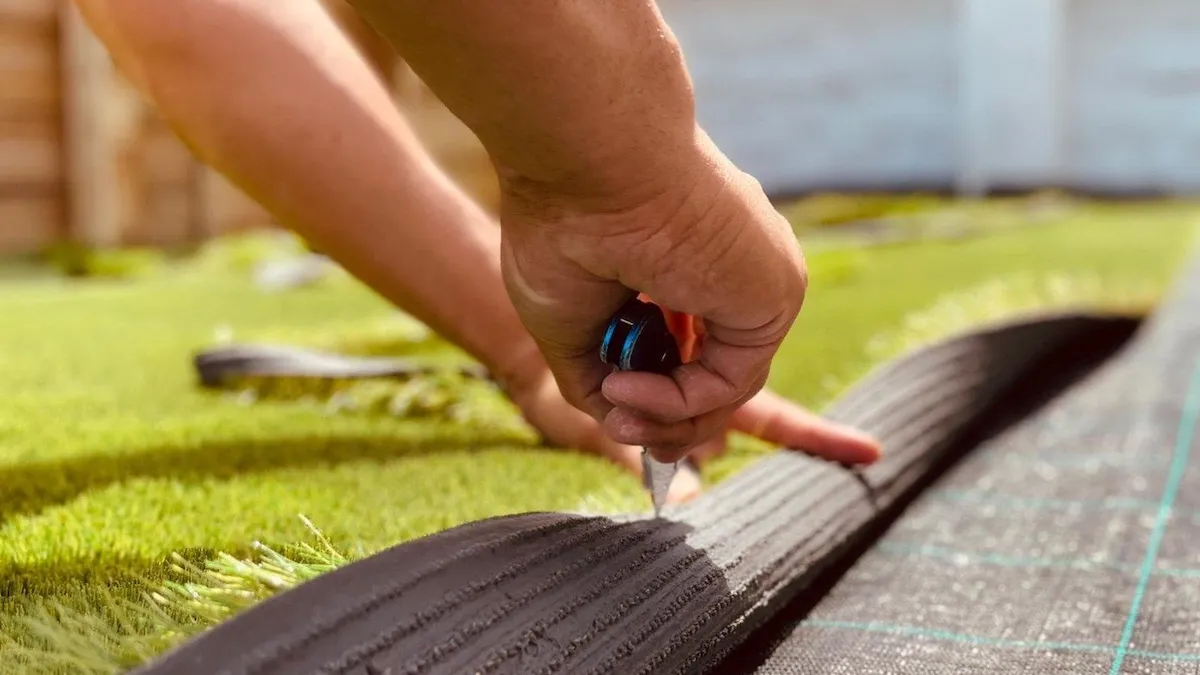
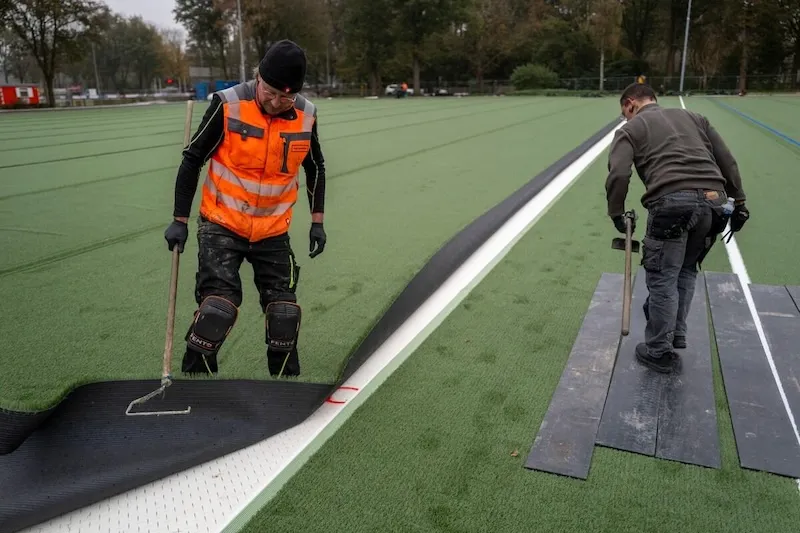
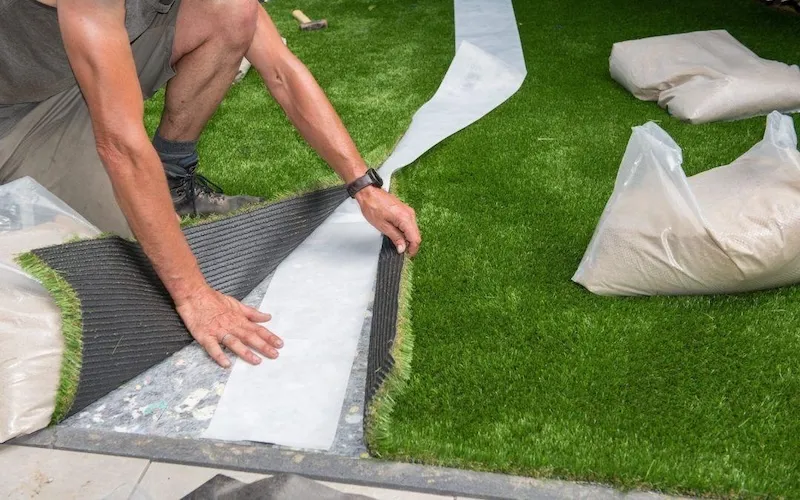
Lay the underlay according to the manufacturer's recommended joint and fixing method, keeping adjoining pieces flat and avoiding overlaps or raised edges that could become visible through the turf. Use fixing methods compatible with the pad, concrete base, turf system, and expected use.
A detail we often see underestimated is the joint between two pieces of padding. Customers naturally spend more time comparing the turf itself, but problems that appear months later can start in this hidden layer. If padding rolls are poorly aligned, insufficiently secured, or allowed to move independently, repeated foot traffic can gradually create visible joint lines, wrinkles, or uneven areas in the turf above.
This becomes more important where temperatures vary significantly between seasons because the materials in the system need enough flexibility to accommodate movement. For landscape applications, we focus on keeping the underlay flat and stable so the finished lawn remains smooth and comfortable. For football and other high-use sports surfaces, fixing and joint stability matter even more because the padding must remain consistent under repeated running, turning, and impact.
Saving a small amount on the underlay or its installation can therefore create a much larger repair job later. Before laying the turf, check the surface again for loose joints, ridges, or movement, and make sure fixing materials do not block the intended drainage path.
Install the Turf and Finish the Edges
Lay the artificial grass over the secured underlay, then finish the perimeter and seams according to the turf system being used. Before completing the installation, check that edges, adhesive, and fixing points do not obstruct the intended drainage path.
The finished feel and impact performance depend on the complete system — the turf, underlay, concrete base, and how the layers are installed together.
Why Drainage Fails Under Artificial Turf on Concrete
Why Turf Can Drain but Water Still Pools
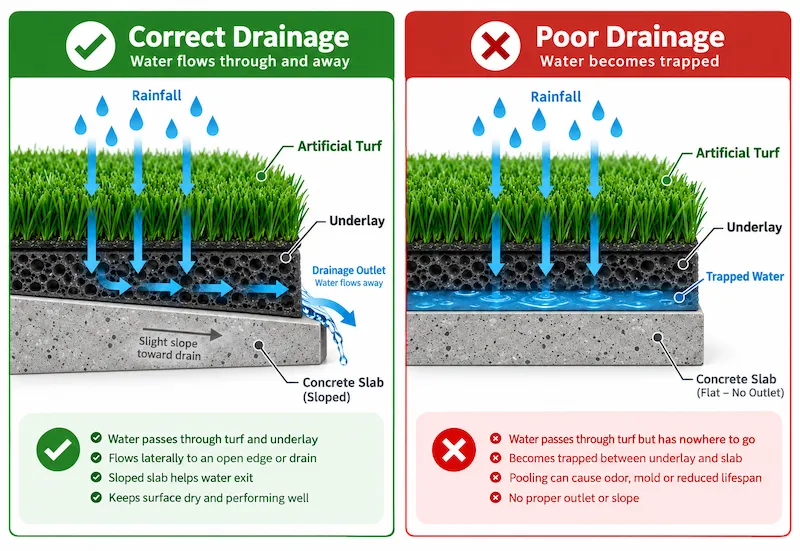
Water can pass through a permeable or perforated turf backing, but once it reaches an impermeable concrete slab, it still needs somewhere to go.
Before installation, identify the slab's high and low points and determine exactly where water will leave the area. If water already remains on the bare concrete after rain or washing, installing a pad over it does not remove the underlying drainage problem.
In our experience with concrete-base turf projects, one of the most common mistakes is assuming that a flat, solid slab automatically makes installation easier. The turf itself may drain well, but concrete does not absorb that water. If the slab has no suitable slope, drainage channel, or clear outlet, moisture can remain trapped between the turf system and the concrete, eventually contributing to standing water, odor, and an unstable feel underfoot.
For outdoor landscape and football turf installed over concrete, we therefore check the drainage path before focusing on the padding thickness. In rainy locations especially, the first question should be where the water will go after it passes through the turf. A suitable cushion or shock pad can improve comfort and performance, but it cannot compensate for a slab that has nowhere for water to escape.
When You Need a Drainage Mat
A drainage mat is most useful where water needs additional space to move laterally beneath the turf toward a drain or open edge. Typical applications include balconies, rooftops, pet areas, and other hard surfaces exposed to frequent moisture.
However, adding a drainage mat does not automatically solve a drainage problem. If water already pools on the bare slab, the slope or drainage outlet should be corrected first.
Moisture Considerations for Indoor Concrete
Indoor concrete requires a different moisture check from an outdoor patio. Before installing adhesive, padding, or backed turf, confirm that the slab moisture condition is compatible with the selected turf system, underlay, and adhesive.
A moisture barrier should not automatically be added above every concrete slab. Whether one is required depends on the slab construction, moisture conditions, and installation system being used.
How to Handle Concrete Expansion and Movement Joints
Existing concrete movement or expansion joints should not simply be ignored or rigidly bridged without considering how the slab is designed to move.
Before fixing the underlay and turf, identify these joints and follow the recommendations of the underlay, adhesive, and flooring system being used. The objective is to keep the turf surface smooth without restricting necessary slab movement or creating a weak line underneath the finished surface.
Frequently Asked Questions
What Do You Put Under Artificial Turf on Concrete?
On concrete, a turf underlayment — closed-cell foam, an EVA or rubber shock pad, or a drainage mat — placed between the slab and the grass. The blades alone offer little cushioning, so this layer supplies comfort, stability, and in many designs drainage.
Can You Lay Artificial Turf Directly on Concrete?
Yes. A smooth, stable slab with suitable drainage may support direct installation in some low-traffic applications. Padding becomes more useful where additional comfort, impact absorption, or drainage is required.
What Is the Best Padding for Artificial Turf on Concrete?
There is no single best option. Pet areas usually prioritize drainage, play areas require suitable impact attenuation, landscaping may only need extra comfort, and sports surfaces may require an engineered shock pad. Choose the underlay according to the complete system rather than thickness alone.
Do You Need a Drainage Mat Under Artificial Turf on Concrete?
Not always. What every outdoor concrete installation needs is a reliable drainage path.
If the slab already slopes effectively toward a drain or open edge, a separate drainage mat may not be necessary. If water pools on the bare slab, correct the drainage problem first rather than expecting the underlay to solve it.
Conclusion
What goes under artificial turf on concrete depends first on drainage and then on how the space will be used.
Start by determining where water will go after it passes through the turf. Next, decide whether the project needs cushioning or impact absorption. Only then should you select the underlay material and thickness.
A concrete slab can provide an excellent structural base, but the turf, drainage path, underlay, joints, and fixing method still need to work as one system. Choosing the right system matters more than simply choosing the thickest pad.