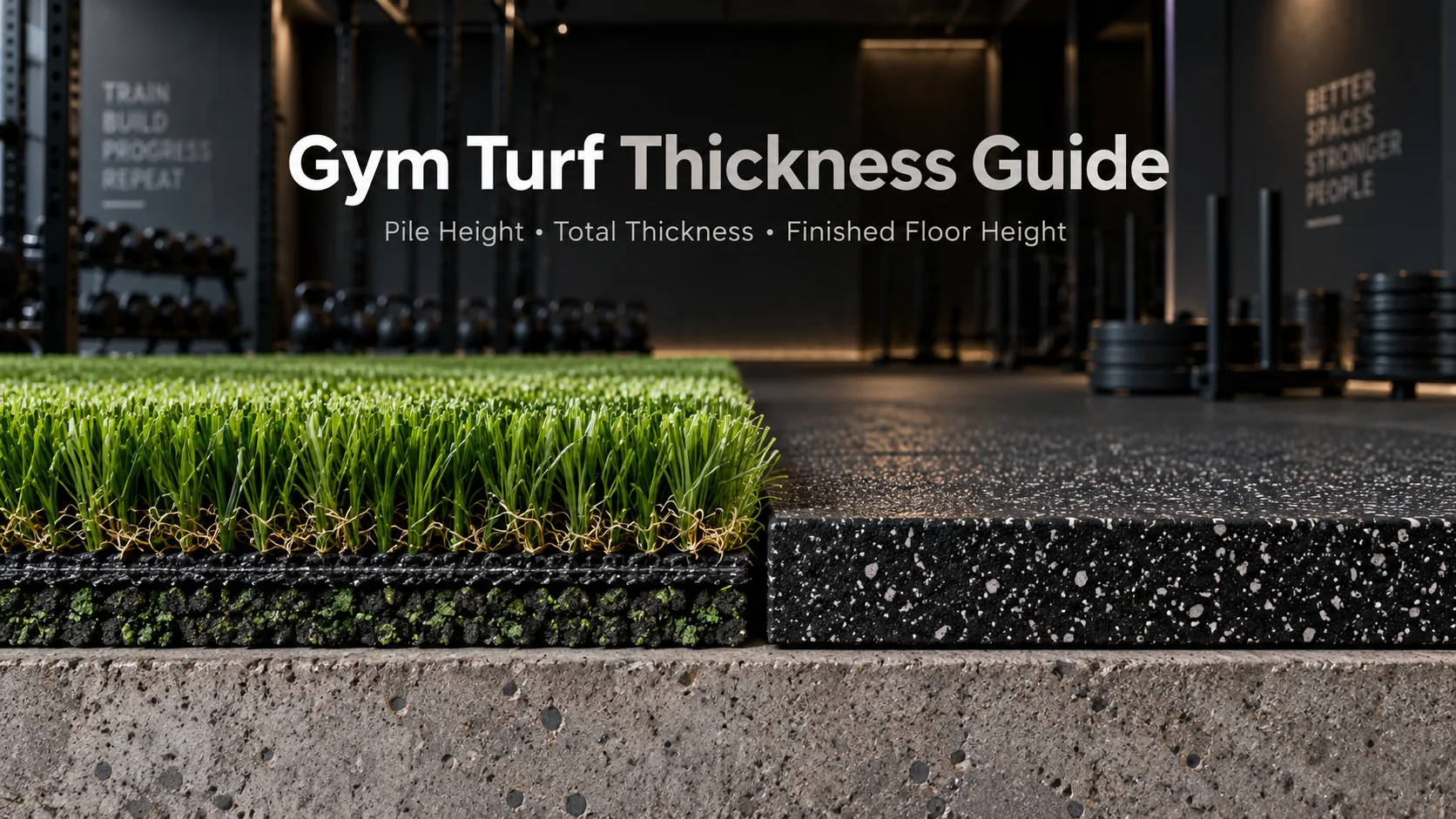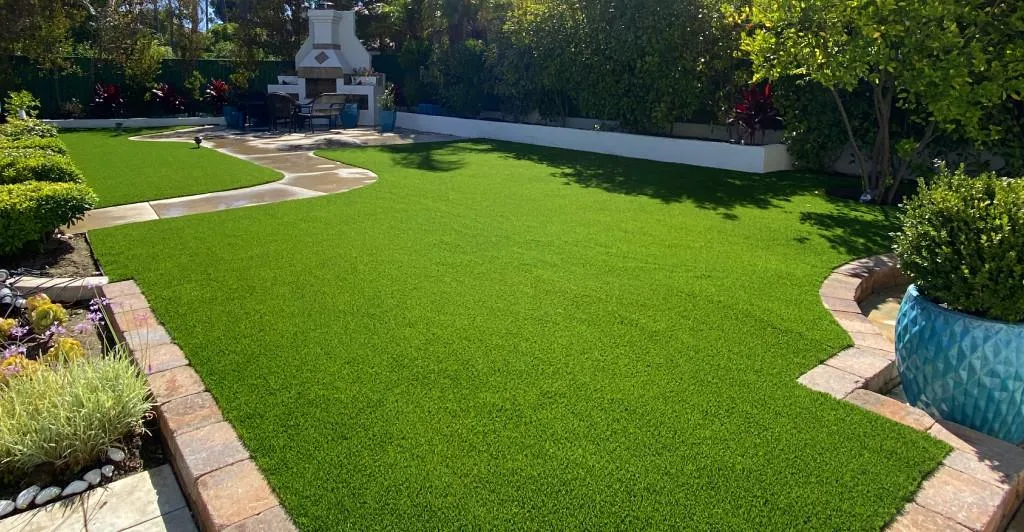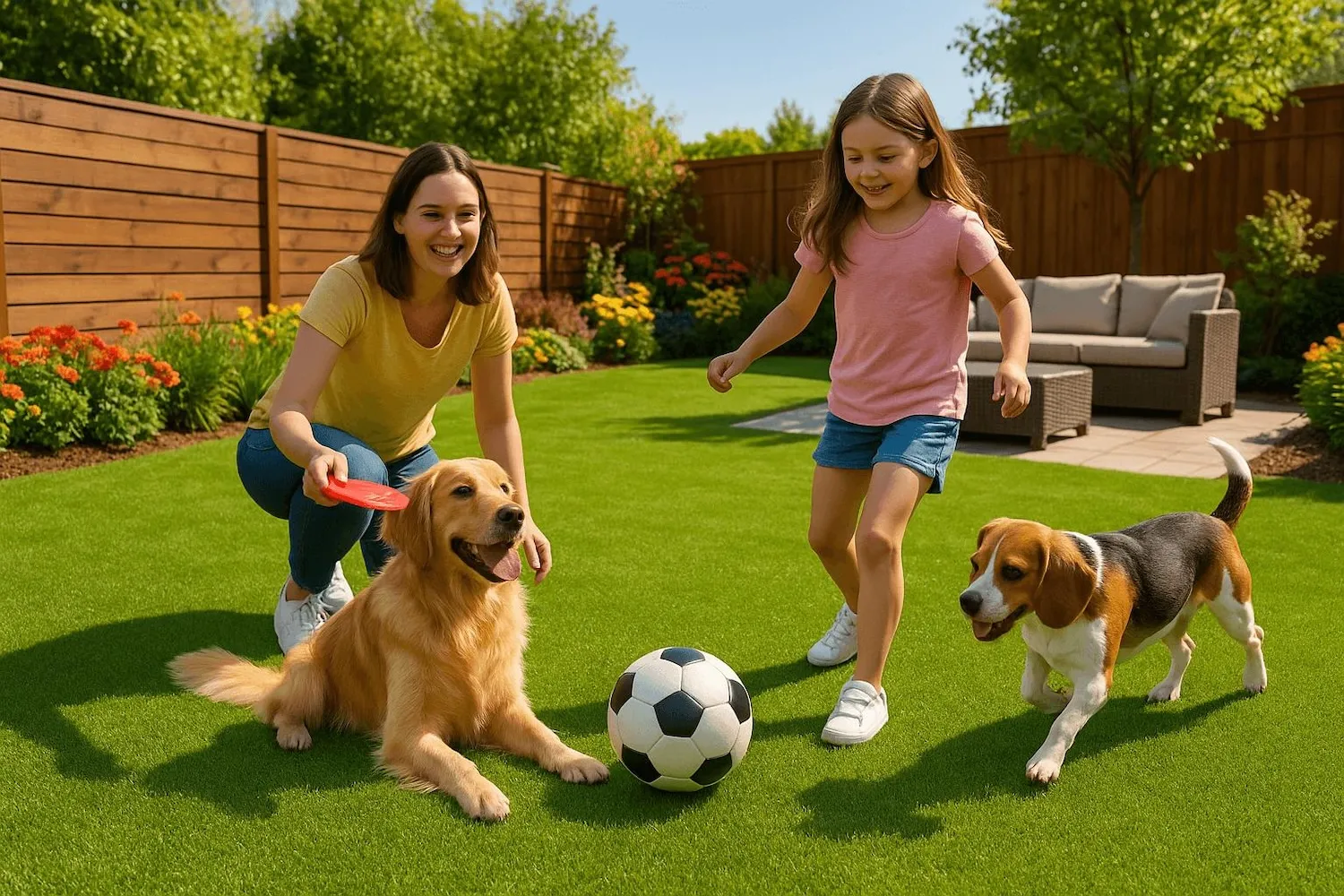
Artificial turf is available in many different forms, and the differences are not limited to appearance. Synthetic grass systems can be classified by fiber material, backing construction, infill design, and intended application.
The most common fiber materials include polyethylene (PE), nylon, and polypropylene (PP), while different backing and construction methods influence drainage, dimensional stability, and durability. Turf is also designed for specific environments, from residential landscaping and sports fields to fitness facilities and pet areas.
AstroTurf vs. Synthetic Grass
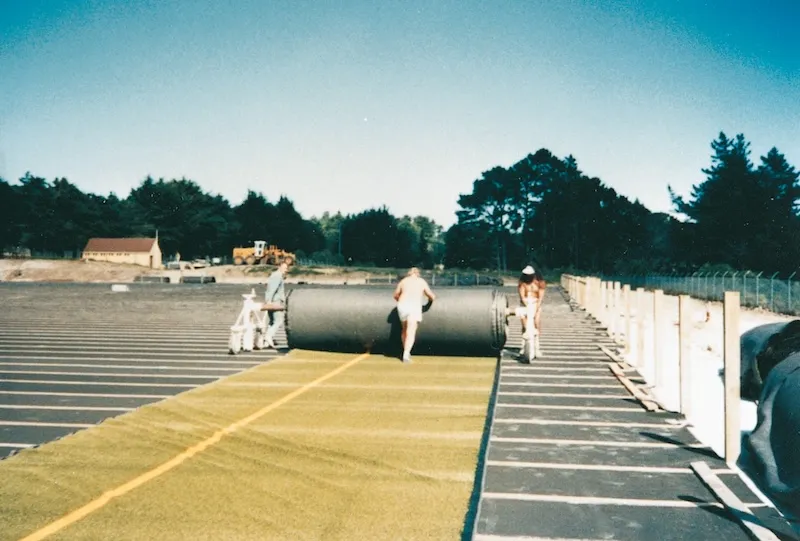
AstroTurf is a brand name originally associated with early synthetic sports surfaces. Over time, the term has often been used informally to describe artificial turf in general.
Synthetic grass, artificial grass, and artificial turf are commonly used to describe manufactured grass-like surfaces for landscaping, sports, recreation, and other applications. Although these terms are often used interchangeably, turf systems can differ significantly in fiber material, construction, pile height, and performance.
How Modern Synthetic Grass Differs from Early AstroTurf
Early AstroTurf was developed mainly for sports fields and typically featured short, dense fibers with limited or no infill. Modern artificial turf uses more advanced polymer fibers, backing systems, and infill options to provide different levels of softness, durability, drainage, and surface performance.
Buyer’s tip: Look beyond the product name and compare the turf’s material, construction, and intended application.
What Is Artificial Turf Made Of?
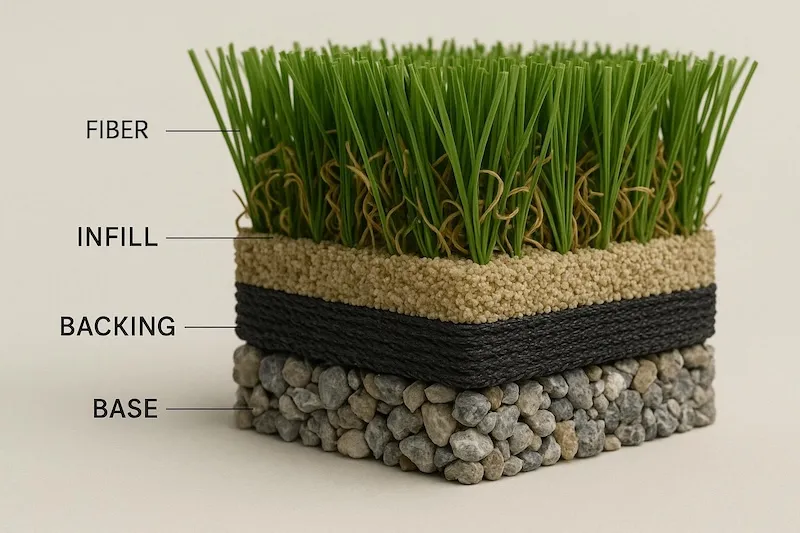
Understanding what turf is made of comes down to three layers working together: the fibers you see, the backing that holds them, and the infill that supports them.
Artificial Turf Fiber Materials: PE, Nylon, and PP
The visible blades of synthetic turf are made from synthetic polymers—plastic-based materials that are durable, weather-resistant, and safe for people and pets.
The fiber choice directly shapes feel, durability, and suitability.
Artificial Turf Backing
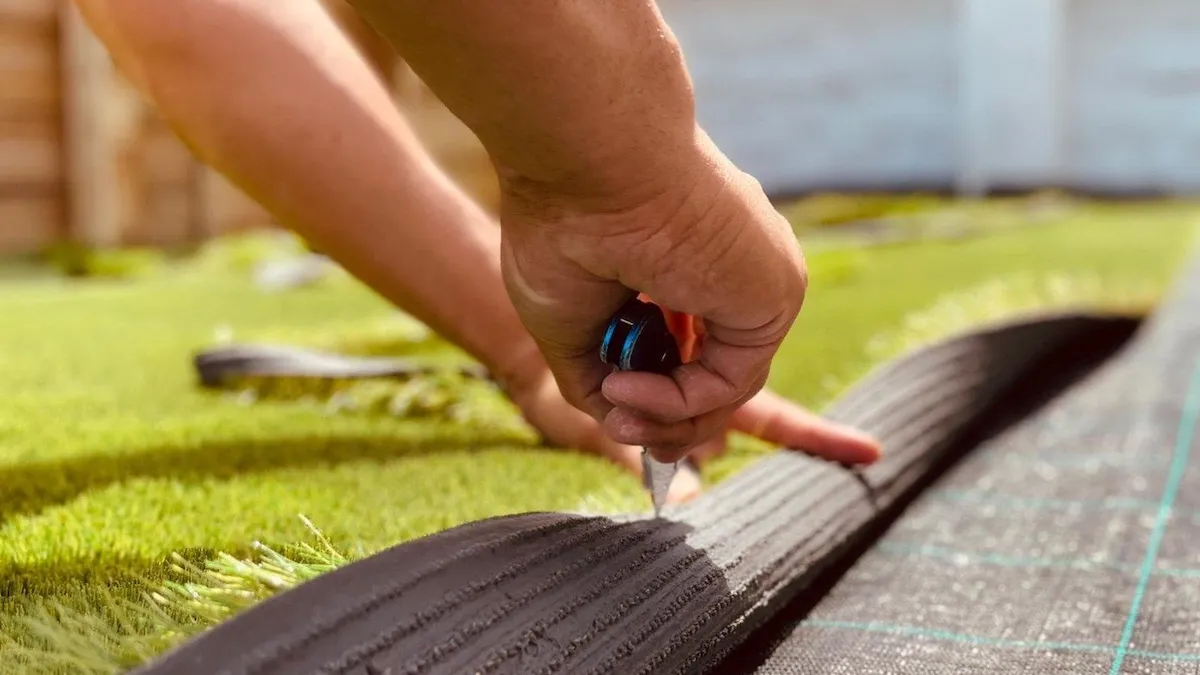
Backing is the foundation that holds artificial turf fibers in place and provides structural stability. Most turf systems use a primary backing to anchor the yarns, along with a secondary coating or backing that helps secure the fibers and improve dimensional stability.
Backing construction can affect durability, drainage, and how well the turf maintains its shape after installation. The right backing depends on the turf’s construction and intended application.
Artificial Turf Infill
Infill is the granular material placed between artificial turf fibers to support the blades and improve surface stability. Common options include silica sand and rubber granules, while some systems use organic or alternative materials such as cork or coconut fiber.
The role of infill varies by turf system. It can add weight, help keep fibers upright, improve cushioning, and contribute to surface stability. Some artificial turf systems are also designed without infill, relying on fiber density and turf construction to maintain performance.
How Fiber, Backing, and Infill Work Together
Artificial turf is a multi-layer product: the fibers provide appearance and feel, the backing provides strength and drainage, and the infill adds weight and cushioning. By varying fiber material, yarn shape, backing density, and infill composition, manufacturers produce distinct turf types for athletic fields, residential lawns, playgrounds, and golf courses. When weighing different kinds of turf, match each layer's properties to your need—nylon for high-traffic zones, polyethylene for a softer residential look.
Artificial Turf Types by Fiber Material
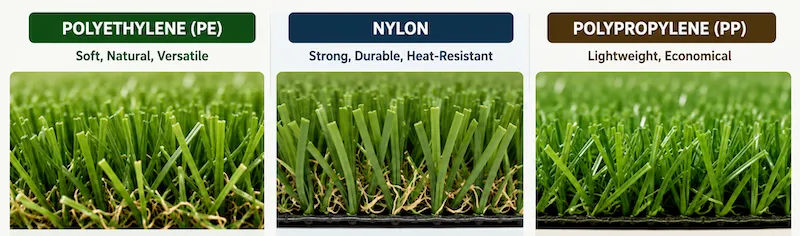
Polyethylene Turf
Polyethylene (PE) is one of the most widely used artificial turf fiber materials. It is known for its relatively soft feel, natural appearance, and good balance between durability and flexibility. PE fibers are commonly found in residential and recreational turf systems.
Nylon Turf
When the application demands maximum resilience, nylon turf is the strongest and most durable option. Its fibers withstand heavy foot traffic, repeated abrasion, and high surface temperatures without deforming or matting. Nylon is known for high resilience and resistance to repeated mechanical stress, making it useful in applications where recovery and durability are important. The trade-off: nylon blades feel stiffer underfoot and look less natural than polyethylene, so it is chosen for function over aesthetics.
Polypropylene Turf
Polypropylene turf is an economical entry point for temporary installations or low-traffic spaces. While it is a genuine synthetic fiber, it lacks the durability and heat resistance of nylon or polyethylene. Over time, polypropylene blades can flatten or fade more quickly under constant sun and use, especially in warm climates.
| Feature | Polyethylene (PE) | Nylon (PA) | Polypropylene (PP) |
|---|---|---|---|
| Primary Feel | Soft, natural, and realistic | Stiffer, springy, less natural | Lightweight and moderately soft |
| Durability | High | Exceptional | Low to moderate |
| Resilience | Good | Excellent | Moderate |
| Typical Use | General-purpose turf | High-demand applications | Lower-demand applications |
Artificial Turf Blade Shapes and How They Affect Performance
Fiber material determines many of the basic characteristics of artificial turf, while blade shape can further influence appearance, resilience, and recovery.
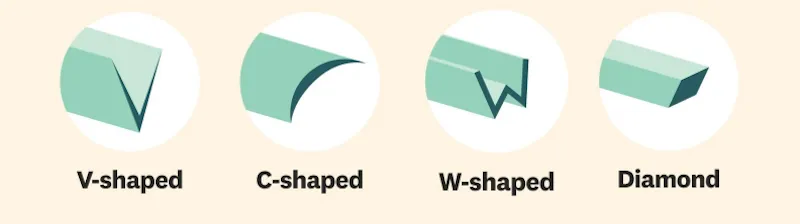
Common blade shapes include:
- C-shaped: Designed to provide good resilience and help blades recover after use.
- W-shaped / V-shaped: Provides additional support and memory in areas with heavy foot traffic.
- Flat or diamond-shaped: Often used where a softer feel and natural appearance are priorities.
- Textured or curly fibers: Can add density and help create a fuller surface appearance.
Blade shape should be considered together with fiber material, pile height, density, and backing construction rather than as a standalone specification.
How to Compare Different Types of Artificial Turf
Different types of artificial turf are designed for different performance priorities. When comparing them, consider the fiber material, construction method, intended application, traffic level, drainage requirements, and whether the system uses infill.
These factors provide a useful starting point for understanding turf categories before comparing individual products.
Landscaping and Residential Lawns
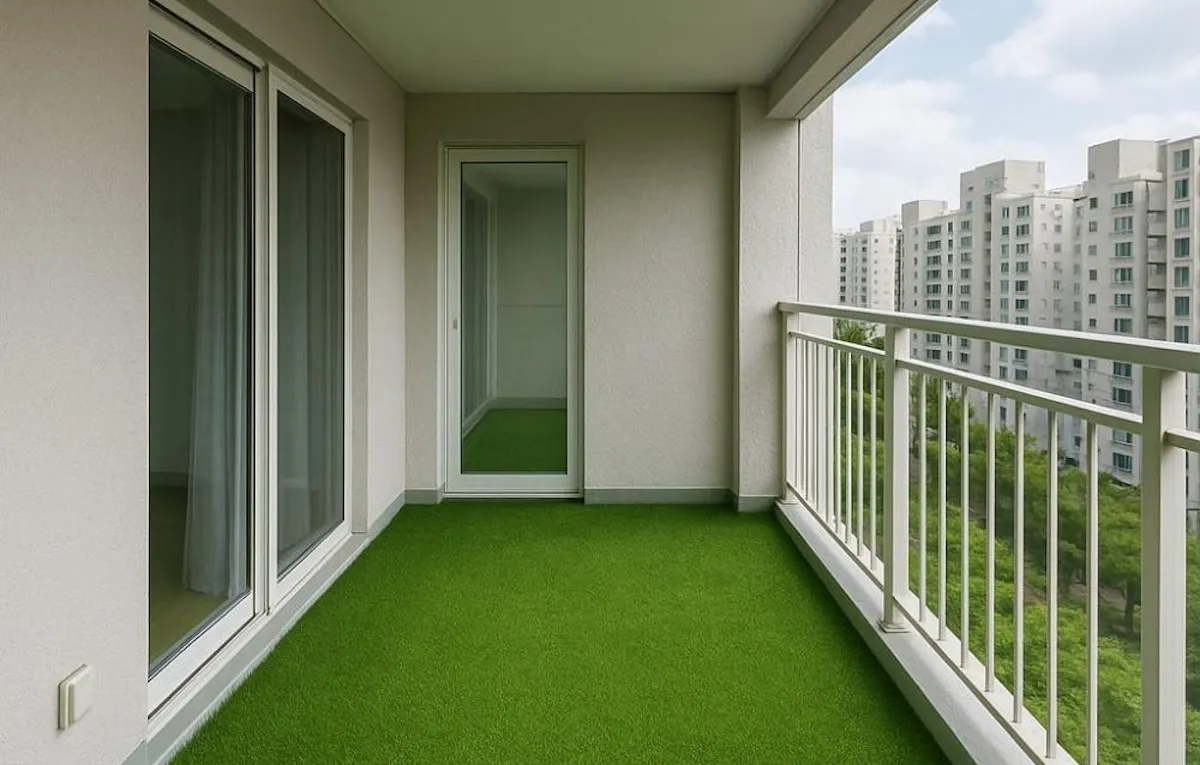
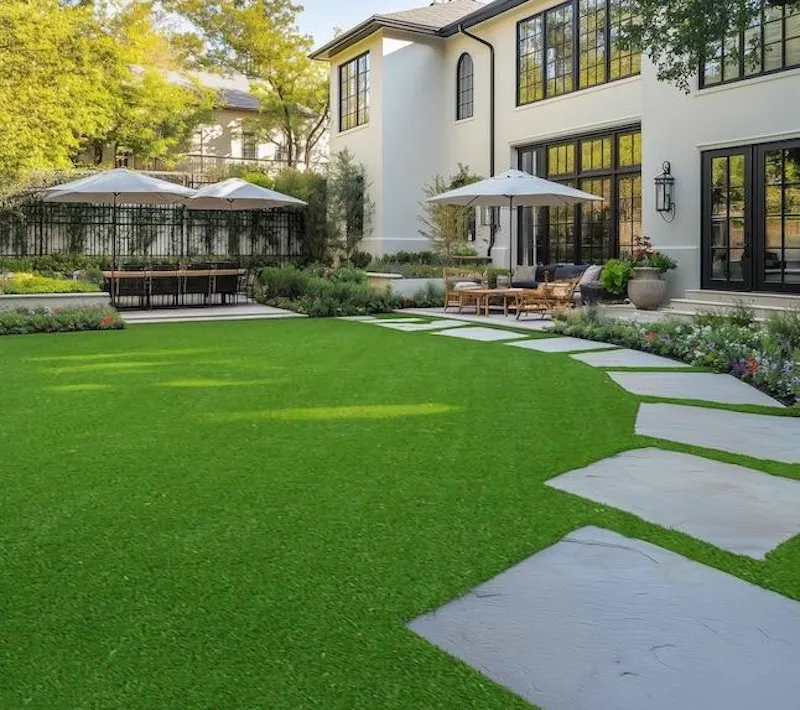
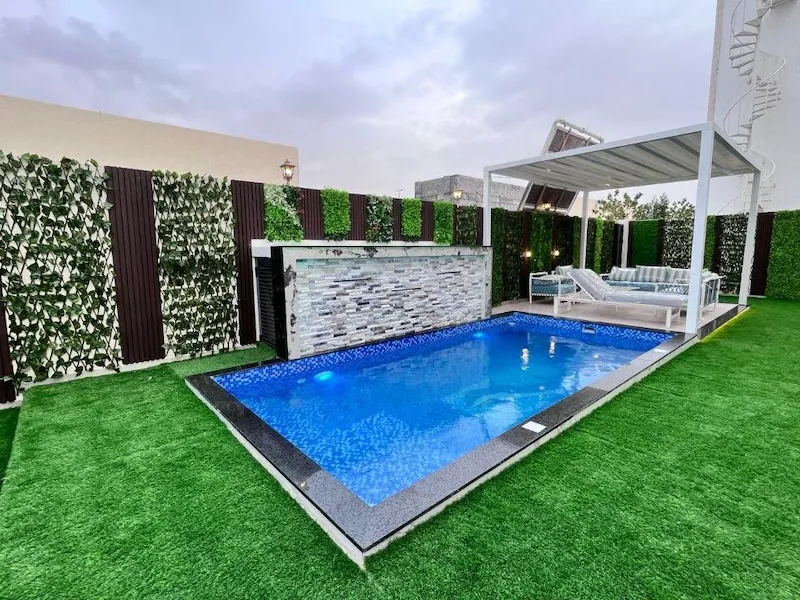
Landscaping turf is primarily designed for a natural appearance, comfortable feel, and reliable outdoor performance. Polyethylene (PE) is commonly used because it offers a good balance of softness, durability, and realistic appearance.
When comparing landscaping turf, consider the intended appearance, expected traffic, installation environment, and overall performance requirements.
For specific landscaping turf products and specifications, see our Artificial Landscaping Grass collection.
Pet Turf
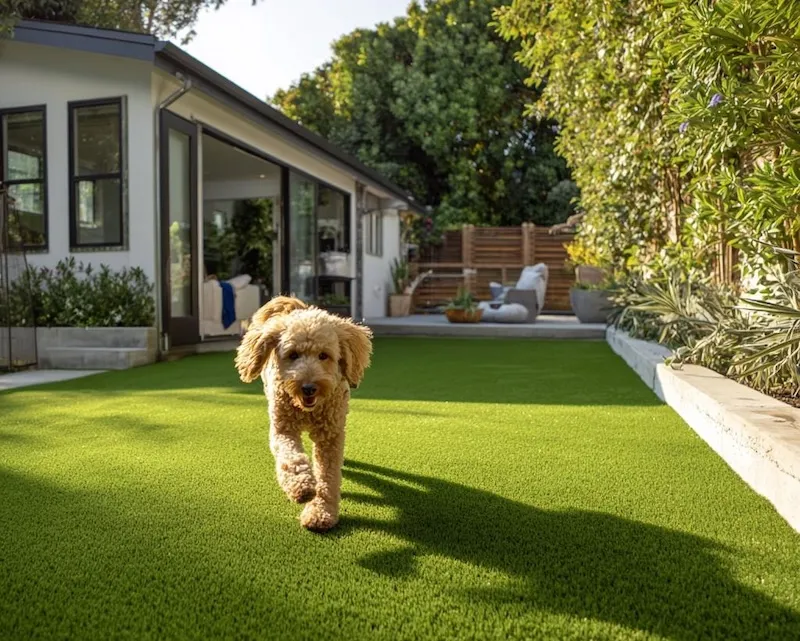
Pet turf is designed for areas where durability, cleanliness, and regular maintenance are important. Compared with general landscaping turf, pet applications typically require a turf system that can withstand frequent use and cleaning.
The appropriate turf construction depends on the site conditions and intended use.
Playground and Recreational Areas
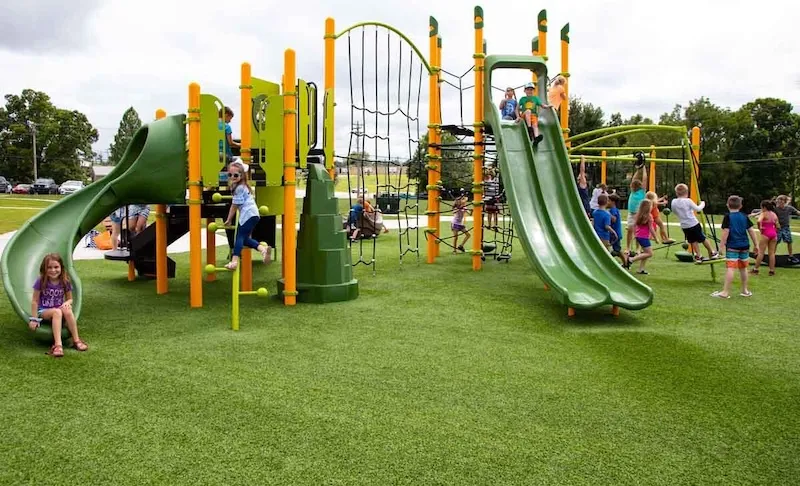
Playground turf is designed around safety, durability, and surface resilience. Depending on the installation system, shock-absorbing layers or suitable infill may be used to improve impact protection.
For playground projects, the turf system should be evaluated together with the underlying safety surface and the expected level of activity.
Sports Turf: Durability and Performance Requirements
Sports turf is designed for durability, traction, surface consistency, and regular use. Different sports and facilities may require different turf constructions depending on how the surface will be used and maintained.
A Football Turf Project from Our Supplier Experience
In one of the football projects handled by our supplier, the facility was using a traditional infill turf system. Because the pitch was used frequently, the infill gradually became uneven across the surface. This affected ball movement and also meant the facility needed to spend more time on maintenance and infill redistribution.
After reviewing the site's usage and maintenance requirements, the team changed to a non-infill turf system with a dense fiber structure. This reduced the need to redistribute infill and made routine maintenance easier for the facility.
From our experience, selecting artificial turf is not only about the playing surface itself, but also about matching the turf construction with the site's usage frequency, maintenance conditions, and long-term requirements.
Indoor Training Applications
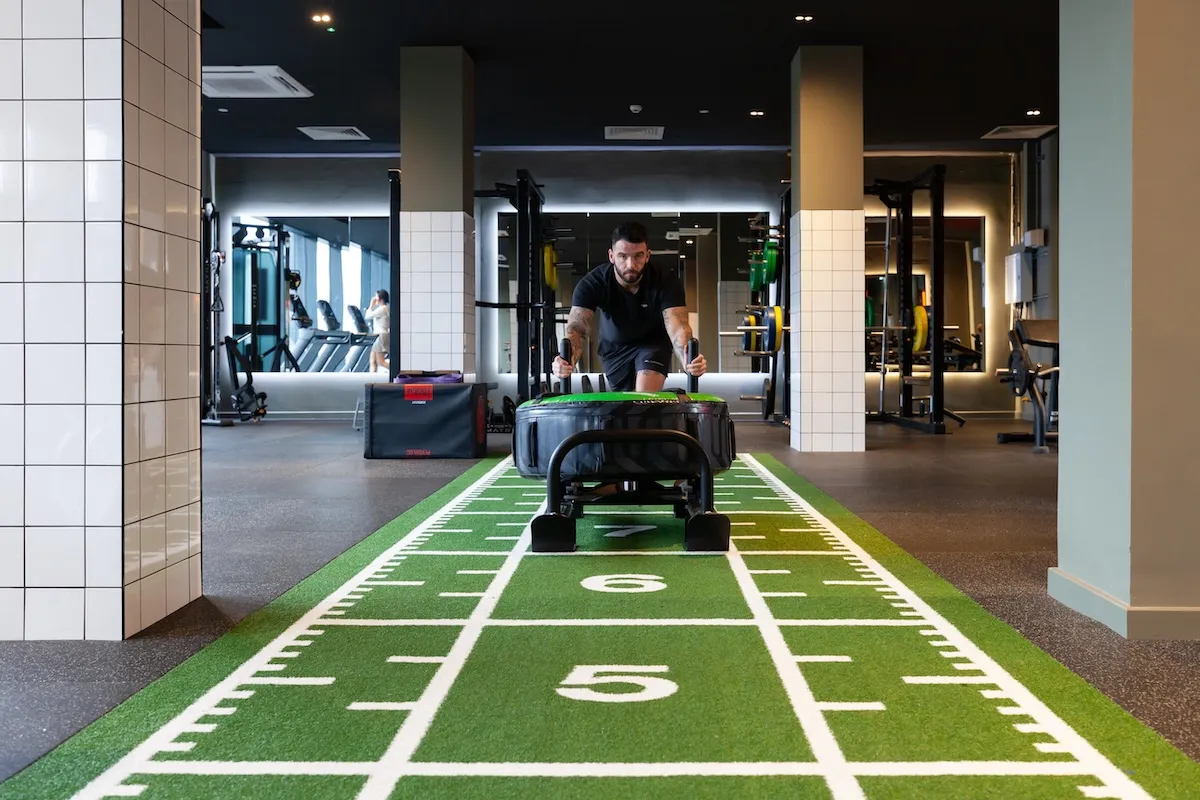
Some indoor training environments require artificial turf systems that can handle repeated foot traffic, equipment movement, and high abrasion. Unlike landscaping turf, the main priorities are functional durability, surface stability, and resistance to repeated use.
These applications often require specialized turf solutions designed for durability and surface stability. For detailed gym turf specifications and applications, see our Gym Turf collection.
Artificial Turf Types at a Glance
| Turf Type | Main Characteristics | Common Applications |
|---|---|---|
| PE Turf | Soft, flexible, natural-looking | Landscaping, residential, recreational |
| Nylon Turf | Highly resilient and durable | High-traffic applications |
| PP Turf | Lightweight and economical | Decorative and lower-traffic areas |
| Tufted Turf | Common and versatile construction | Landscaping, commercial, sports |
| Knitted Turf | A distinct turf construction method | Specialized turf systems |
FAQs About Artificial Turf
1. What are the main types of artificial turf?
Artificial turf can be classified by fiber material, construction, and application. Common fiber materials include polyethylene (PE), nylon, and polypropylene (PP), while construction methods include tufted and knitted systems.
2. What is the difference between PE, nylon, and PP turf?
PE is generally softer and more natural-looking, nylon offers high resilience and durability, and PP is typically a more economical option for lower-demand applications. The best choice depends on the intended use and required performance.
3. Does every artificial turf system require infill?
No. Some turf systems use infill to support the fibers, add weight, improve stability, or provide cushioning, while other systems are designed to perform without infill.
4. What factors should I consider when choosing artificial turf?
Consider the fiber material, construction, intended application, traffic level, drainage requirements, and whether the system uses infill. These factors should be evaluated together rather than individually.
5. Is all artificial turf made from the same material?
No. Artificial turf can use different synthetic fibers and construction methods. PE, nylon, and PP are among the most common materials, and their properties can vary significantly in softness, resilience, durability, and appearance.
Conclusion
Artificial turf can be classified in several ways, including fiber material, construction, infill system, and intended application. PE, nylon, and PP each offer different performance characteristics, while tufted and knitted constructions provide different structural options.
The best turf system depends on how and where it will be used. By comparing material, construction, drainage, durability, and application requirements together, you can narrow down the type of artificial turf that best fits your project.